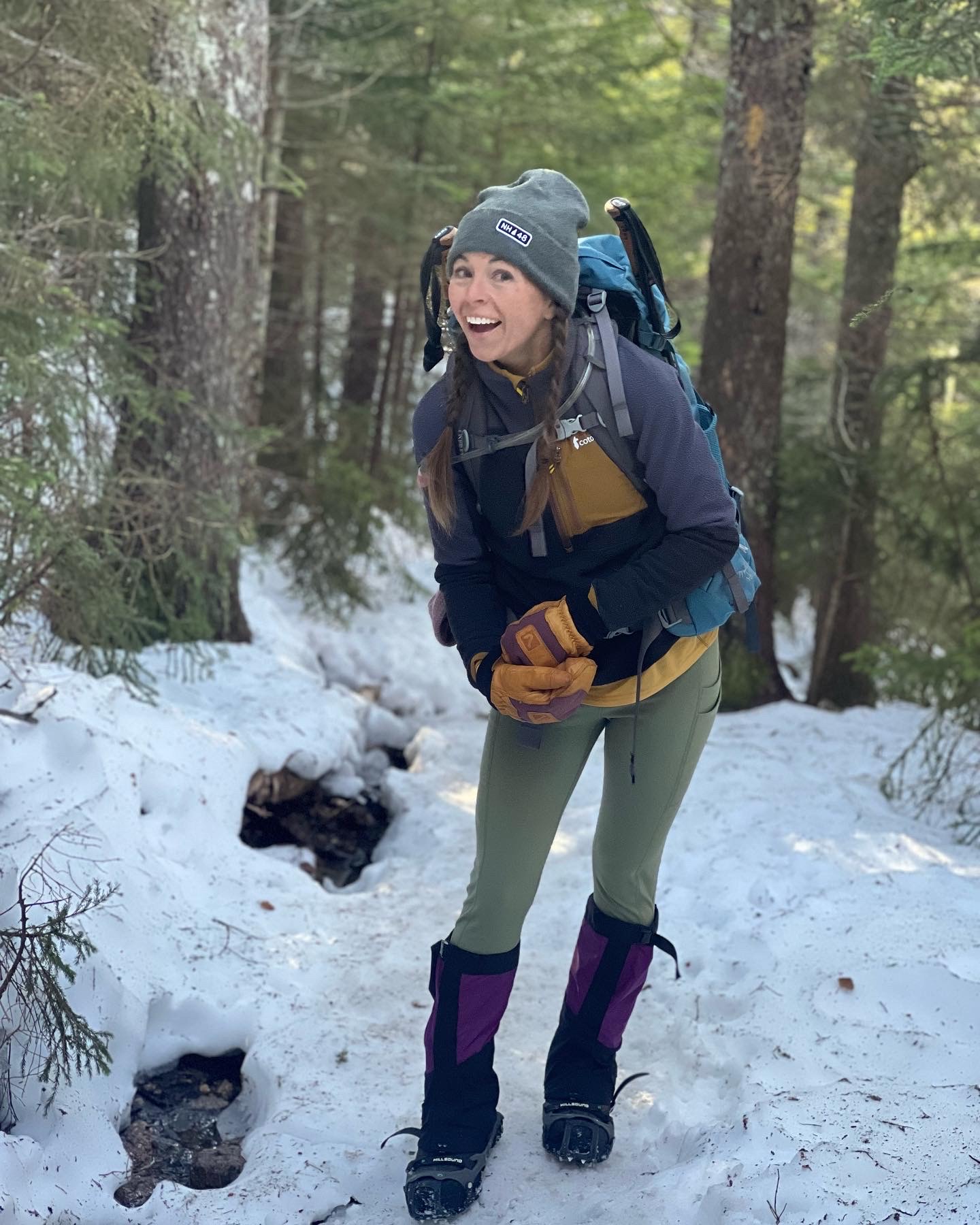
And Why Winter is the Superior Hiking Season
The 48 New Hampshire 4000-Footers is one of dozens of lists that many hikers strive to complete in New England. There’s The Grid, The New England 67, Red Lining, and the Terrifying 25 to name just a few. Some lists come with achievement patches if one is so inclined to apply for it. Hikers who are working on completing a list are also referred to as “peak-baggers”, meaning you are “bagging” the summits on a particular list.
Last month, my boyfriend and I happened into the shop of a local photographer in the White Mountains. We were making small talk with the photographer about our favorite trails and hikes when I said “That’s on the 52 With a View List, right?” and he said “Oh, I don’t do lists, I have no idea.” There are some in the hiking community who view “peak-bagging” negatively because “you should just hike because you enjoy hiking, not be beholden to a list”. I’m not saying this gentleman felt that way, but his tone and facial expressions seemed to indicate he wasn’t a fan of hiking lists. In my head I heard “I’m not a peak-bagger”. I’m a list person in my every day life. I make lists every day and check things off because it helps me stay on track and also gives me a feeling that I accomplished something. I’ve even made lists of the lists I need to make. If these hiking lists did not already exist, I would still hike, but I’m sure by now I would have created my very own lists. Thankfully someone has done that work for me and even created printable files that I can convert to fillable forms. So, to list or not to list… there’s no judgment from me either way.
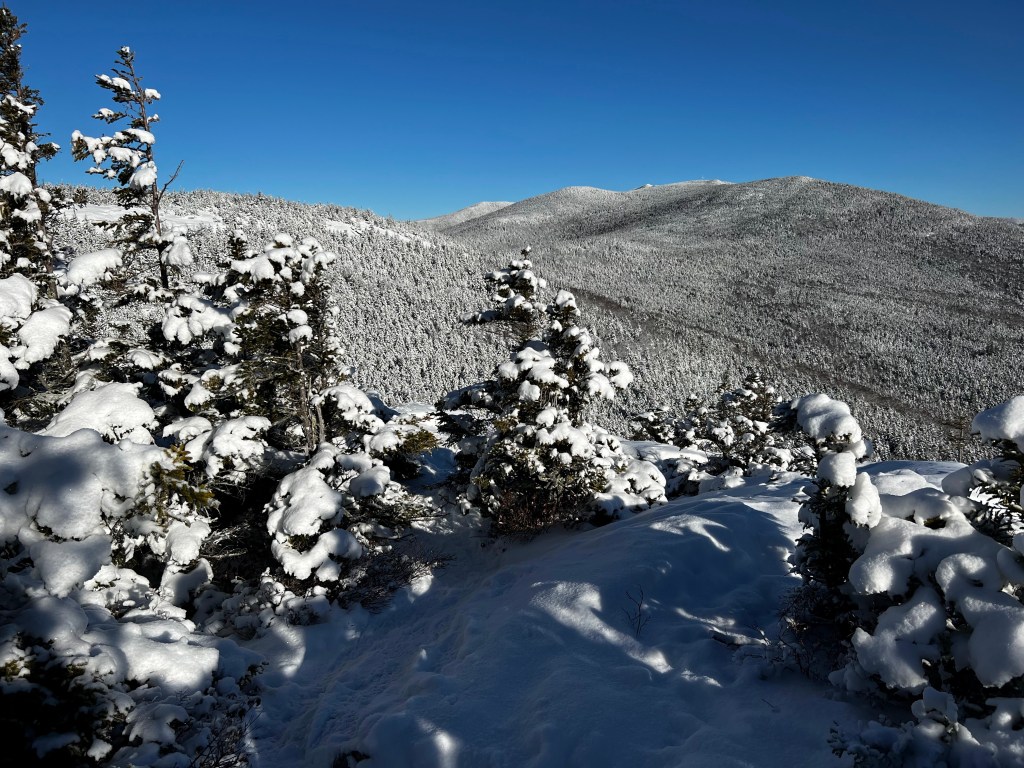
Today, along with my dear friend Chantalle, I completed a two-peak hike on NH’s 52 With a View (or 52WAV) list, Dickey Mountain (elev. 2,734′) and Welch Mountain (elev. 2,605′). This is a list of 52 hikes, some with multiple peaks, that are under 4,000 feet in elevation, but have amazing views.
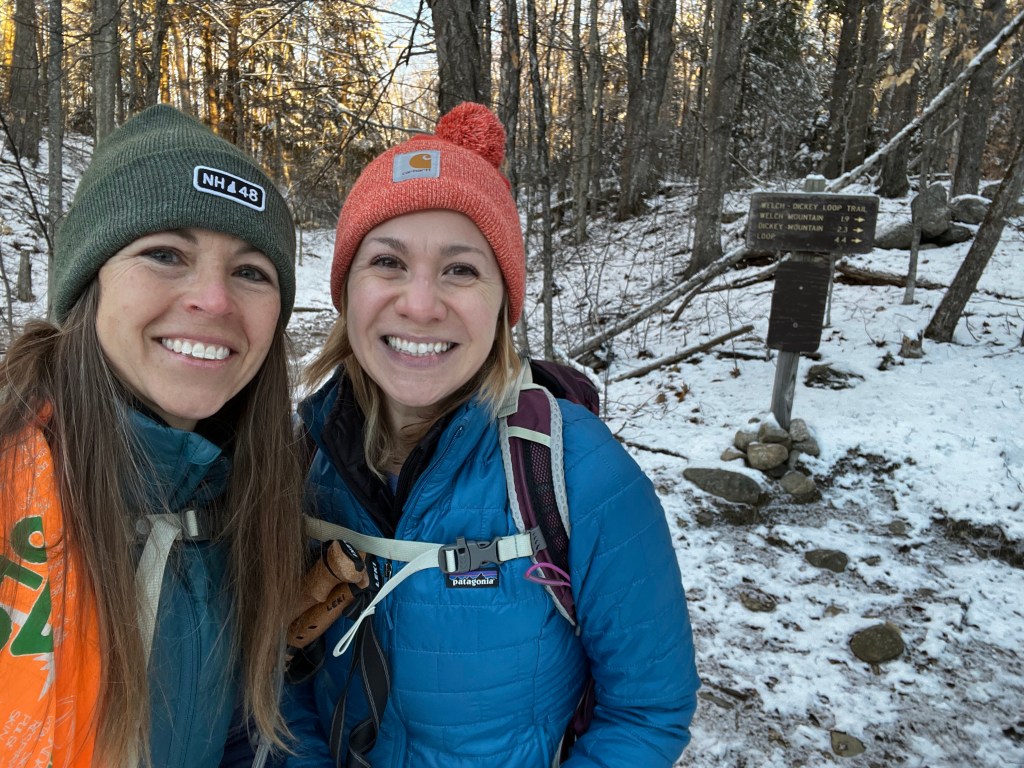
Chantalle and I met over a year ago on my very first Hiking Buddies NH 48 hike as a hike host, on September 11, 2021. We instantly made a connection that day and I am so blessed to have her in my life.
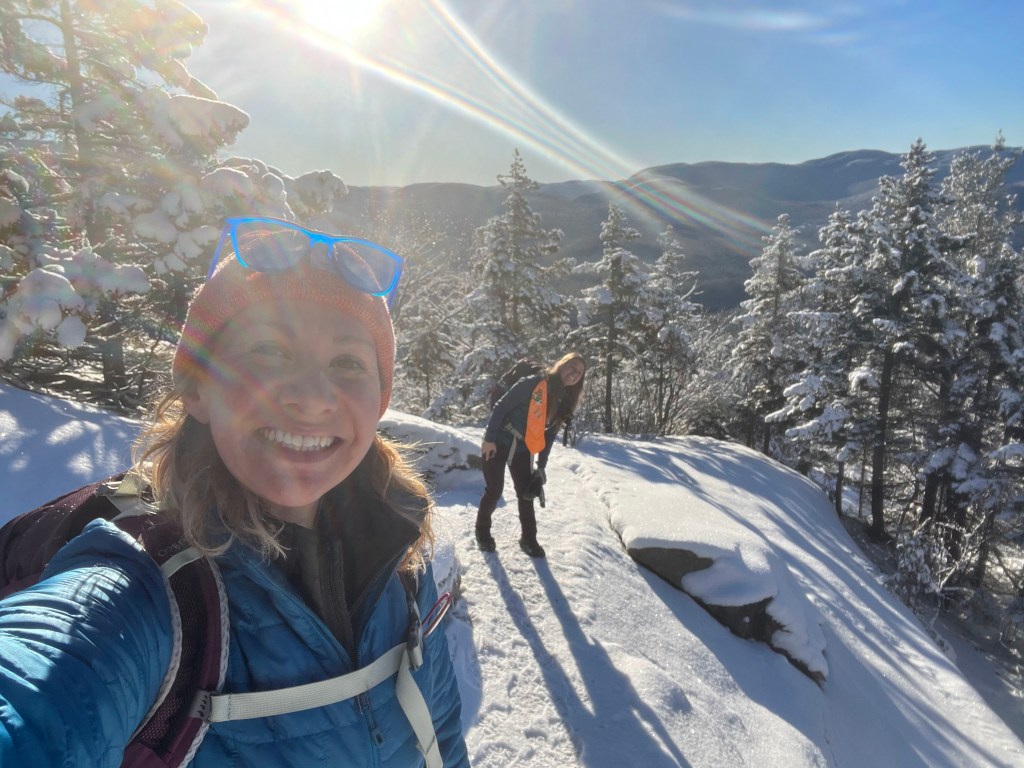
Sometime after our first viewpoint today I turned to Chantalle and expressed how perfect I thought the day was, for the weather and the company. She agreed wholeheartedly and expressed her love for winter hiking. The rest of this post was already in draft form 2 days ago, so I was so excited today when Chantalle agreed with me about the superiority of winter hiking. (I’m not sure that’s really what happened, but for the sake of this post, it is) There is no debating this. Don’t even try. I won’t entertain it. (Just kidding, I do love a healthy debate.) But seriously, it’s true. Winter hiking is superior and here’s why:
People. There are fewer of them on the trails in the winter. Fewer people means more parking, more room on the already reduced trail width, and a higher chance of having the summit view all to yourself. The White Mountain National Forest is a major tourist destination during every season (except mud season maybe). In the summer months the popular trails are often packed with people.
Today there were a few people in the parking lot heading out ahead of us. We caught up to them once just as they were leaving a view point and then never saw them again. We briefly encountered two other solo hikers.
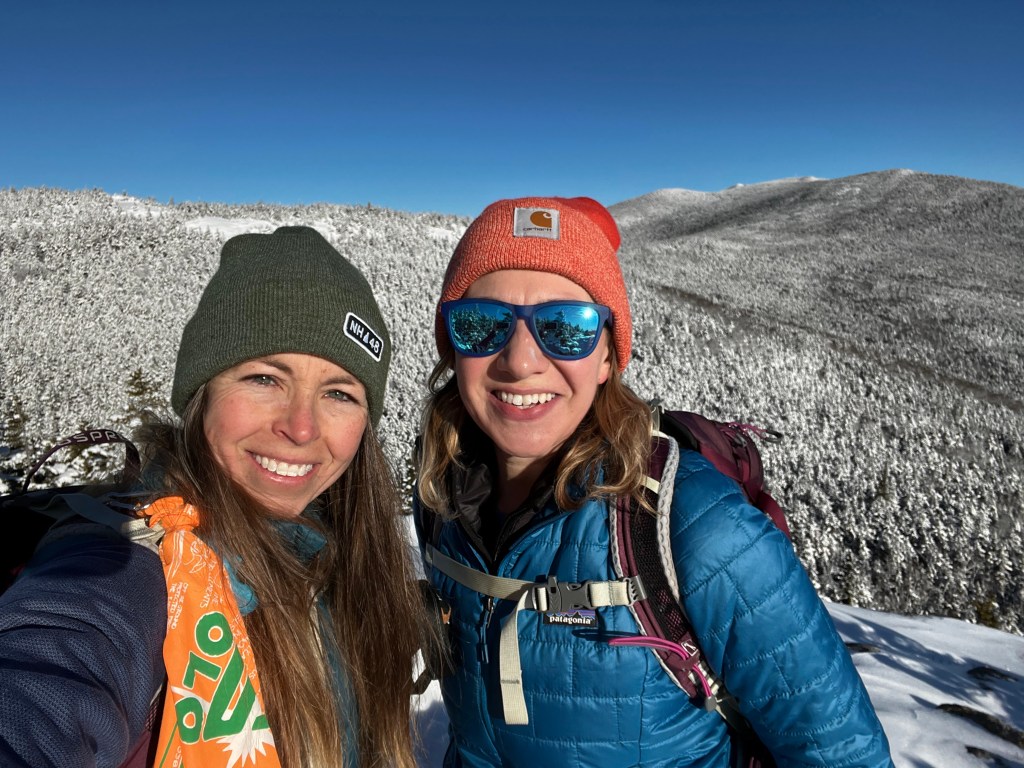
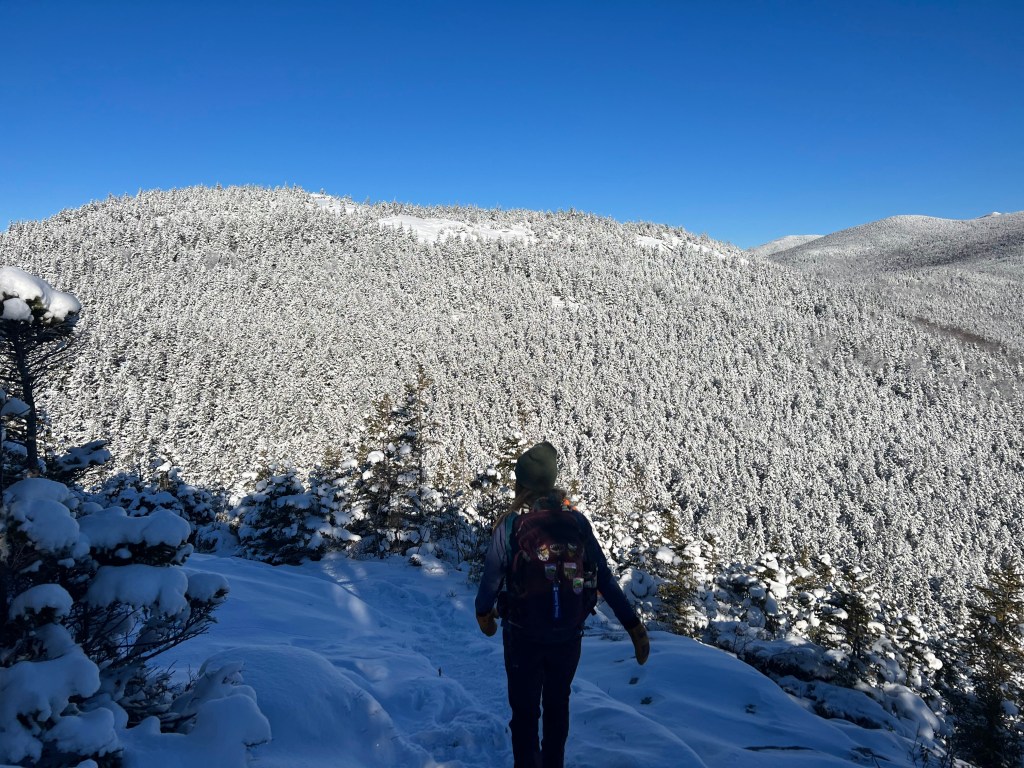

You can avoid the crowds in summer by arriving at the trailhead at 3:00 in the morning or earlier since tourist usually means vacation and who gets up before the sun when they are on vacation? Actually, I do. That’s me. Sunrise hike anyone?
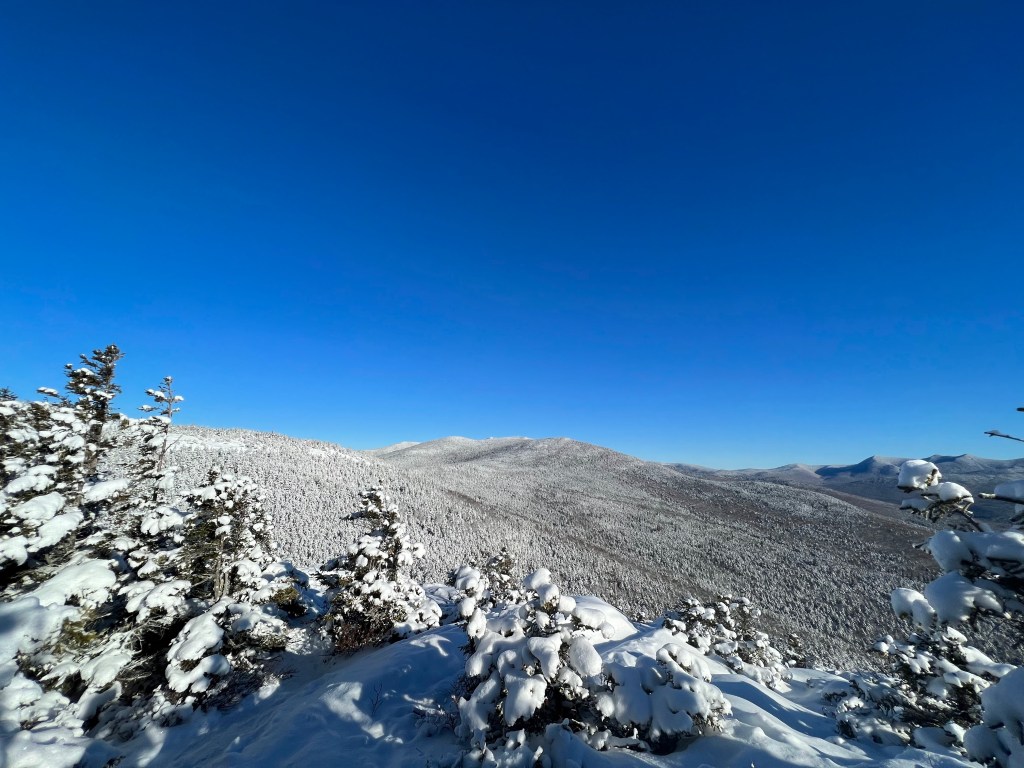
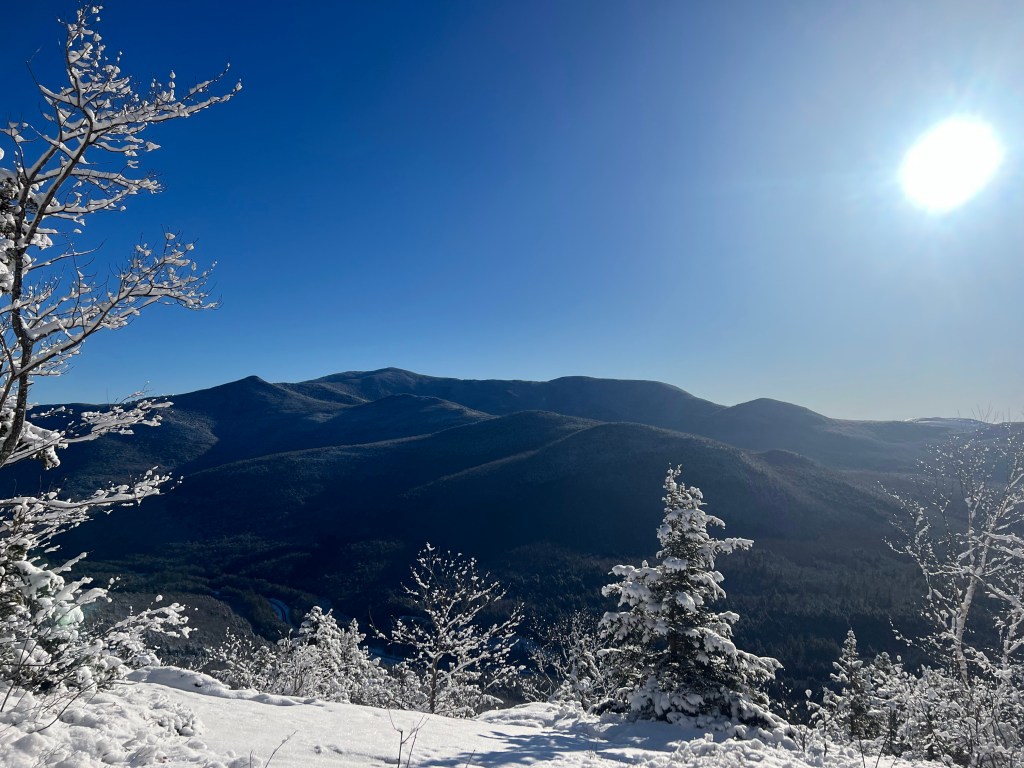
Views. The views in the winter are just better. The snowy winter landscape, twists and swirls in the ice, the solitude, silence, and calm, are just a few of the reasons. There are some 4000-foot peaks in NH that offer no view at the summit. The winter offers an opportunity for at least a view point somewhere along the trail that you would not see when the foliage and fauna are in full bloom. The sun reflects differently on the snow-covered mountains making way for some amazing sunrises and sunsets. Not to mention there are no people in the way when you are trying to take photos.
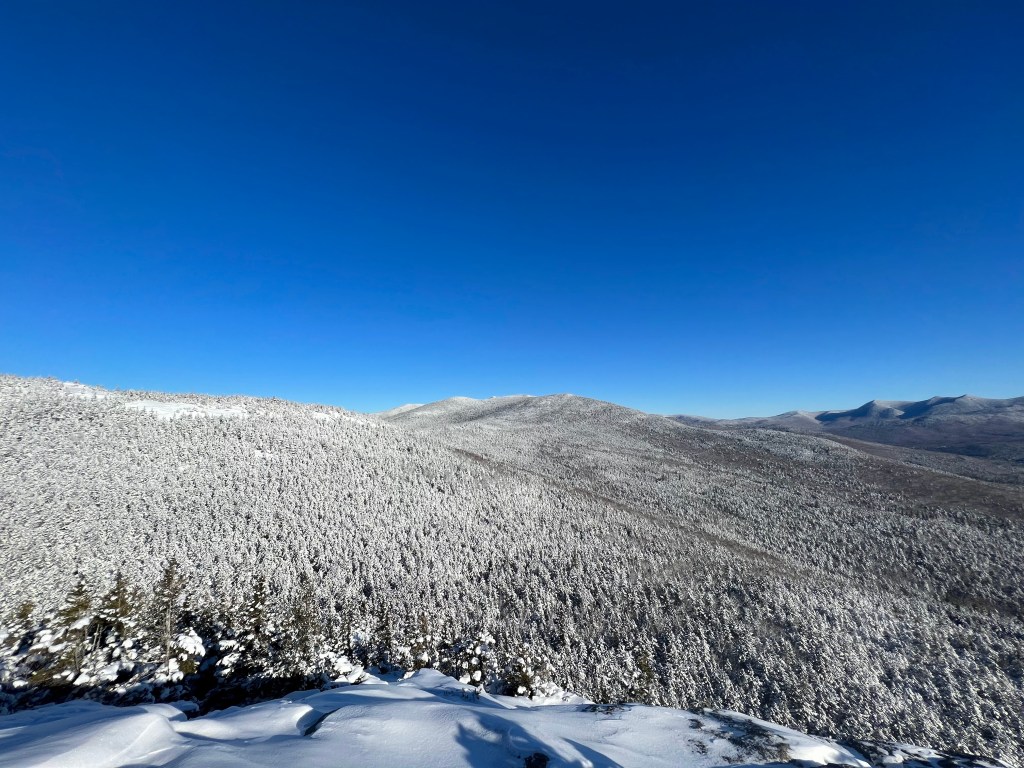
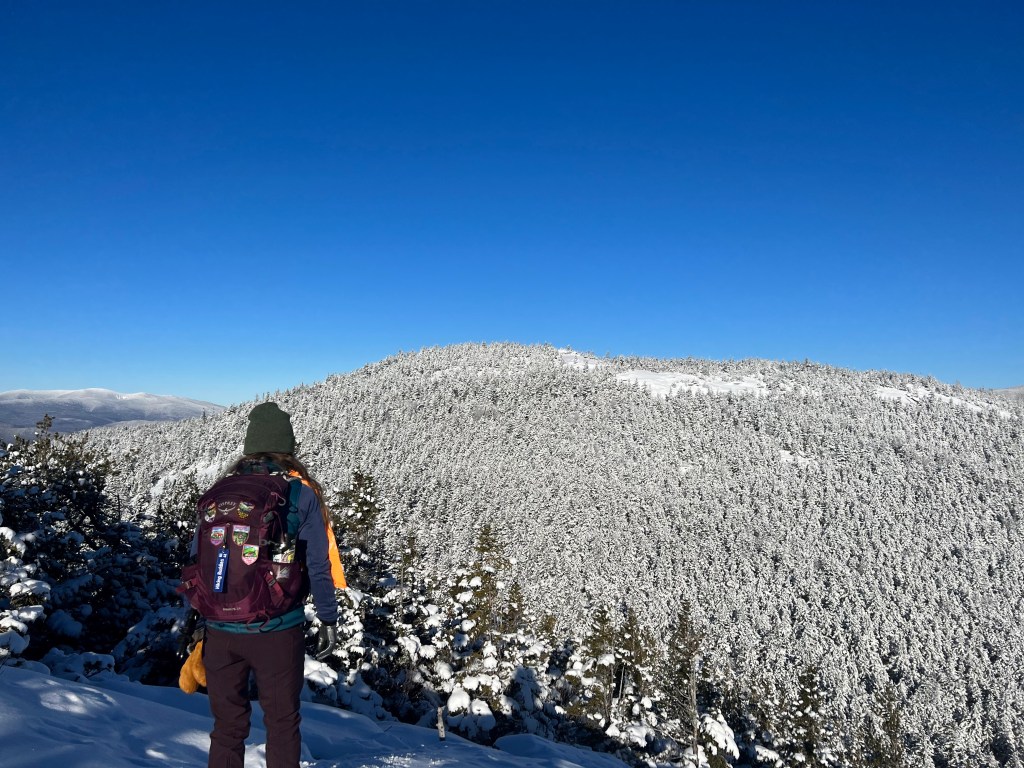
No bugs. I’m not really sure I have to explain anything here. Blood-sucking, biting bugs are dumb.
Snow-Packed Trails. There are few trails in the White Mountains that offer even footing. Most trails are riddled with large roots and rocks, loose gravel, or fallen trees and limbs requiring careful foot placement and constant stepping up and down. Insert multiple feet of snow pack and you turn that trail into a lovely ramp. Granted, after a fresh snowfall you may have to throw on your snow shoes and break trail, but I still like that better than the constant fear of tripping over a rock or root (I do it a lot, so I might be alone in this sentiment). I also trip and fall in winter, don’t get me wrong, but the other benefit of snow is it is a natural cushion. This cushion makes hiking easier on the joints and limbs while climbing up and down, and on the whole body when I fall.
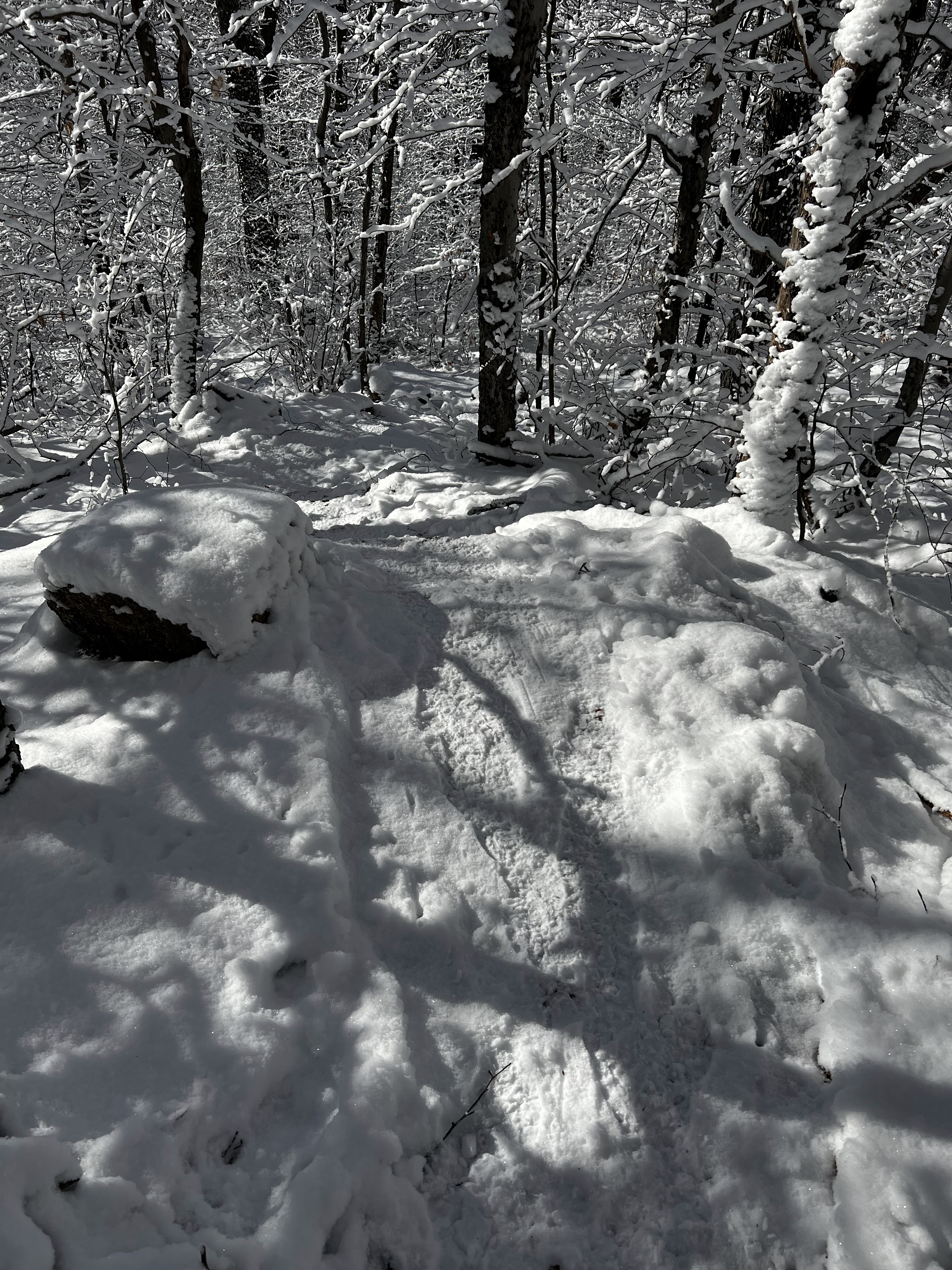
The descent can be faster in winter as well, depending on trail conditions. As long as there are no dangerous rock ledges and ice areas, there are many trails that allow you to butt slide or boot slide down the trail. For context, in the summer months I am way slower on the down than the up and it’s completely reversed in the winter. Can I get an amen for snow?
Health. I know it’s cold in the winter and our survival instincts tell us to stay inside where it’s nice and warm. Add a fire in the woodstove, some flannel pajamas, and a cup of hot cocoa – why would you leave? It’s so easy to use the weather and cold as an excuse to stay indoors for longer periods of time in the winter. Getting outside and moving your body, even just a little bit, is good for your physical and mental health. But there are health bonuses to winter hiking over summer hiking that go beyond just being outdoors and moving. You actually burn more calories! Your body burns calories just to stay warm and increases your metabolic rate. Plus you make and get some Vitamin D which is severely lacking in our bodies during the winter months.

Less Sweat, Less Water, Lighter Pack. I am not a fan of sweating. I don’t enjoy being too hot. During summer hikes, when the temps are 60 degrees or higher, I sweat a lot. Sweating a lot means you have to drink a lot of water, and on longer hikes that means you have to pack a lot of water. Water is heavy. Sweating is annoying.
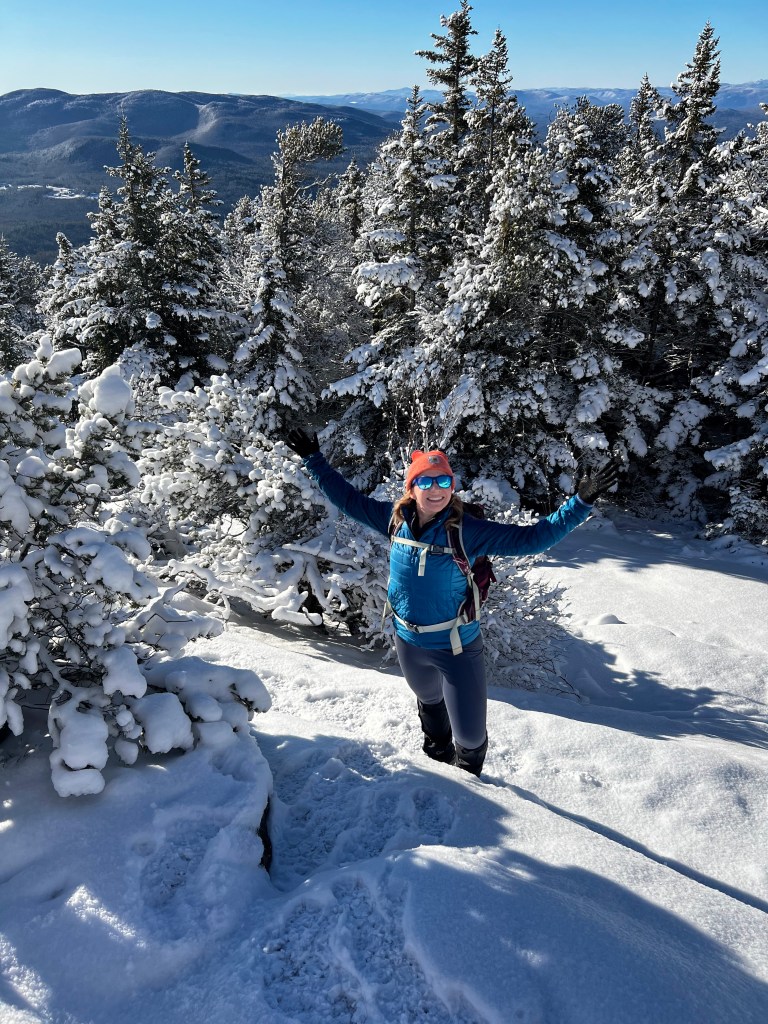
Don’t get me wrong. It is entirely possible to sweat a lot on a winter hike, and I have done it. But sweating during winter hikes, especially in the higher elevations, is dangerous. Even with sweat-wicking clothing and layers, sweat will make your clothes wet. As you get higher in elevation, and the temps get colder, that sweat can cause you to get very cold, possibly hypothermic. On hikes when I know I’m going to increase my pace and sweat more than I should, I will bring an entire change of clothes and do a costume change after the first summit. It was 20 degrees when we started out this morning. With the proper layers and a slower pace, sweating was kept to a minimum.
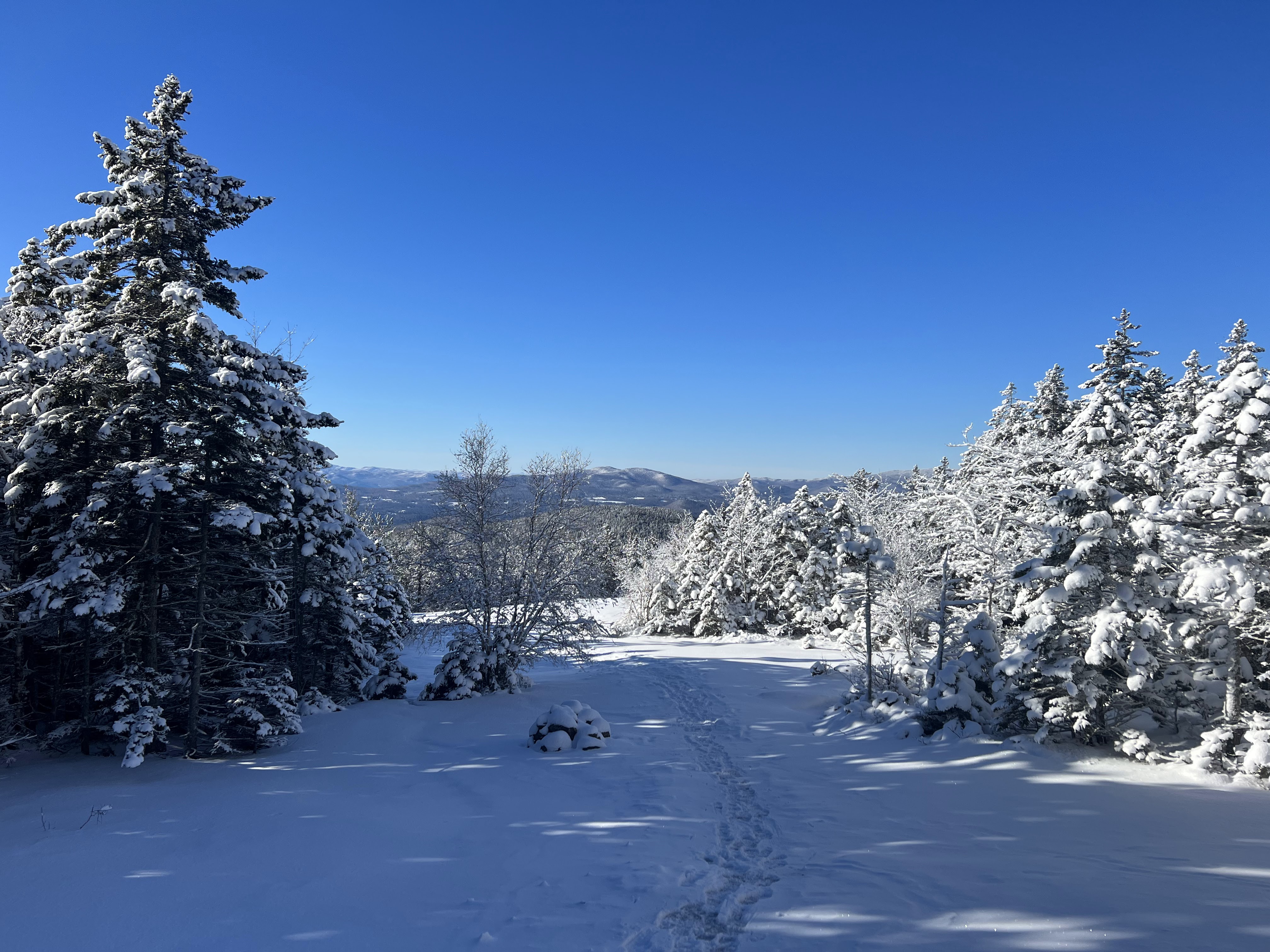
So there you have it, a non-inclusive list (because I love me a list) of reasons why winter hiking is the superior hiking season. But really, hiking is the answer, no matter the question, or the season.
 Summit Up NH
Leave a comment